إعادة تعريف النمو من أجل مستقبل مستدام
حوِّل أعمالك ومجتمعك مع الاقتصاد الدائري!
اجعل من النفايات ثروة، وأطِل عمر المنتجات، وتبنَّ نهجًا تجديديًا يحمي البيئة ويعزز النمو الاقتصادي.
ما هو الاقتصاد الدائري؟
اكتشف كيف تحل الأنظمة الدائرية محل النموذج القديم القائم على "الاستخراج – التصنيع – التخلص".
فالاقتصاد الدائري يحافظ على الموارد قيد الاستخدام لفترة أطول، يقلل النفايات، ويخلق فرصًا مستدامة للأعمال والمجتمعات حول العالم.
فالاقتصاد الدائري يحافظ على الموارد قيد الاستخدام لفترة أطول، يقلل النفايات، ويخلق فرصًا مستدامة للأعمال والمجتمعات حول العالم.

التعريف والمبادئ
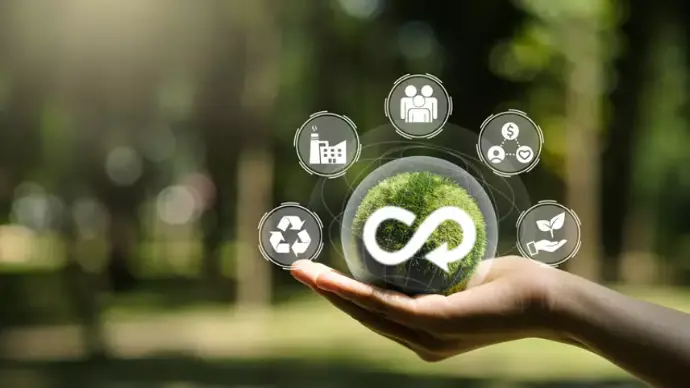
الاقتصاد الدائري هو نظام تجديدي يركز على تقليل استهلاك الموارد، وإعادة استخدام المواد، وإعادة التدوير بكفاءة، واستعادة النظم البيئية الطبيعية. إنه نهج يعزز الاستدامة ويدعم النمو الاقتصادي على المدى الطويل.
الاختلاف عن الاقتصاد الخطي
على عكس النموذج الخطي الذي يستهلك الموارد ثم يتخلص منها، يعمل الاقتصاد الدائري على تعظيم القيمة من خلال تصميم منتجات تدوم أطول، قابلة للإصلاح وإعادة التدوير، مما يحقق فوائد بيئية واجتماعية واقتصادية.
حماية البيئة
تقليل انبعاثات الغازات الدفيئة، والحد من التلوث، والحفاظ على المياه والطاقة، وحماية التنوع البيولوجي مع تعزيز الاستخدام المستدام للموارد.
الشمول الاجتماعي
إشراك المجتمعات، وتمكين العاملين، وبناء صناعات مستدامة تعود بالنفع على المجتمع، مع تعزيز الوعي بالمسؤولية البيئية.

الفرص الاقتصادية
خلق وظائف خضراء، وخفض تكاليف التشغيل، وتحفيز الابتكار من خلال تحويل النفايات إلى موارد قيّمة واعتماد نماذج أعمال دائرية.

فوائد الاقتصاد الدائري
اكتشف كيف يدعم الاقتصاد الدائري حماية البيئة، ويعزز النمو الاقتصادي، ويحقق الشمول الاجتماعي على المستويين المحلي والعالمي.
الركائز الأساسية للاقتصاد الدائري
تعرّف على الركائز الأربع التي تقود النمو المستدام وتحول النفايات إلى موارد، من أجل عالم أنظف وأكثر خضرة.
التقليل – الحد من الهدر والاستهلاك

قلّل استخدام المواد والطاقة وتوليد النفايات لتوفير التكاليف وحماية الكوكب، مع إنشاء أنظمة إنتاج فعّالة ومستدامة.
إعادة الاستخدام – إطالة دورة حياة المنتج

امنح المنتجات حياة ثانية من خلال إعادة الاستخدام، والإصلاح، والتجديد، مما يقلل الأثر البيئي ويخلق فرصًا اقتصادية ووظائف خضراء.
إعادة التدوير – تحويل النفايات إلى موارد

تعمل إعادة التدوير على تحويل المواد المهملة إلى موارد قيّمة، مما يقلل الاعتماد على المدافن ويعزز كفاءة استخدام الموارد في مختلف الصناعات.
التقليل – الحد من الهدر والاستهلاك

قلّل استخدام المواد والطاقة وتوليد النفايات لتوفير التكاليف وحماية الكوكب، مع إنشاء أنظمة إنتاج فعّالة ومستدامة.
استكشف الفرص والتحديات لتطبيق الممارسات الدائرية محليًا، وخلق وظائف خضراء، وتعزيز النمو المستدام.
الاقتصاد الدائري في ليبيا
الإمكانات في الزراعة والبناء
توفر الحلول الدائرية في الزراعة (مثل التسميد وإدارة النفايات العضوية) والبناء (استخدام المواد المعاد تدويرها) تعزيزًا للإنتاجية وتقليلًا للأثر البيئي.
الفرص في إعادة التدوير والصناعات الخضراء
الاستثمار في إعادة التدوير، وتحويل النفايات إلى طاقة، والصناعات الصديقة للبيئة يمكن أن يحوّل النفايات إلى أرباح ويوفر فرص عمل للشباب.
تواجه ليبيا اعتمادًا كبيرًا على المدافن، وضعفًا في إعادة التدوير، وأنظمة نفايات غير فعّالة، مما يجعل تبني استراتيجيات الاقتصاد الدائري أمرًا ضروريًا لتحقيق التنمية المستدامة.
التحديات الحالية لإدارة النفايات
الأمثلة العالمية
اكتشف كيف تتصدر الدول الطريق في تنفيذ نماذج الاقتصاد الدائري وتحقيق أهداف التنمية المستدامة.
خطة الاتحاد الأوروبي للاقتصاد الدائري
تشجع خطة الاتحاد الأوروبي الإنتاج المستدام، وتقليل النفايات، والابتكار الأخضر، لتكون معيارًا عالميًا للمبادرات الدائرية.
اليابان – نموذج كفاءة الموارد
تركز اليابان على الاستخدام الفعال للموارد، وإعادة التدوير، وأساليب إنتاج منخفضة الهدر، مع تحقيق توازن بين النمو الاقتصادي والاستدامة البيئية.
هولندا – الهدف 100% دائرة بحلول 2050
تهدف هولندا إلى تحقيق الدائرية الكاملة عبر السياسات، والابتكار، والتصميم المستدام، لتحويل الصناعات وحماية الموارد الطبيعية.