Skip to Content

Water sustainability: securing our future

Water sustainability is the ability to use water in a way that meets the needs of the present without compromising the ability of future generations to meet their own needs.

It's abaout managing water resources responsibly to ensure there is enough clean water for people, ecosystems, and economic activities.

Key principles of water sustainability

Achieving water sustainability requires a comprehensive approach that includes a mix of conservation, technology, and policy.

Efficient water use

Using less water to achieve the same or better results. Examples include fixing leaks at home, farmers adopting drip irrigation, and industries reusing and recycling water.

Infrastructure & technology

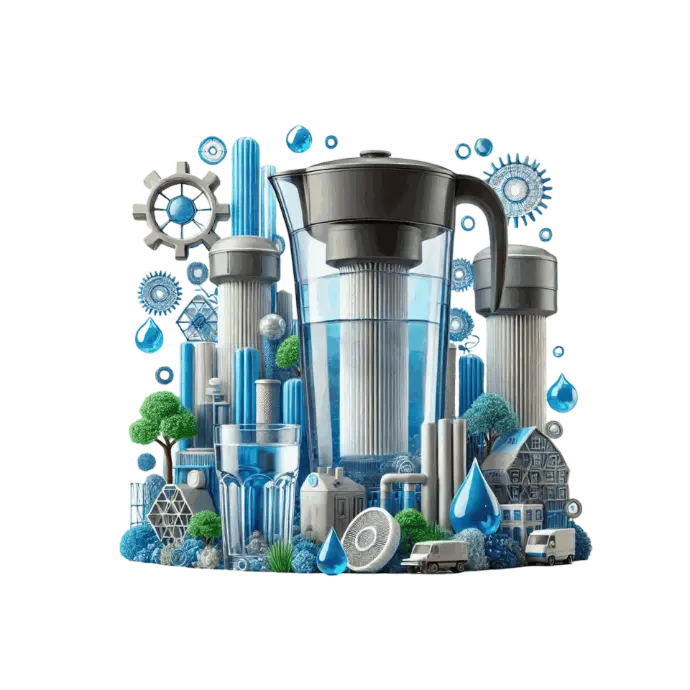
Modern infrastructure and technology—such as leak-proof pipes, desalination, and smart water metering—play a crucial role in sustainable water management.

Water conservation & protection

Protecting water sources from pollution and overuse through wastewater treatment, wetland conservation, and forest protection.

Fair & equitable access

Water is a human right. Sustainable water management ensures all people, including vulnerable communities, have clean, safe, and affordable water.

Policy & governance

Strong policies, regulations, and international cooperation are needed to prevent water misuse, pollution, and mismanagement of shared resources.

Why water sustainability matters
Water is one of the world’s most precious resources.
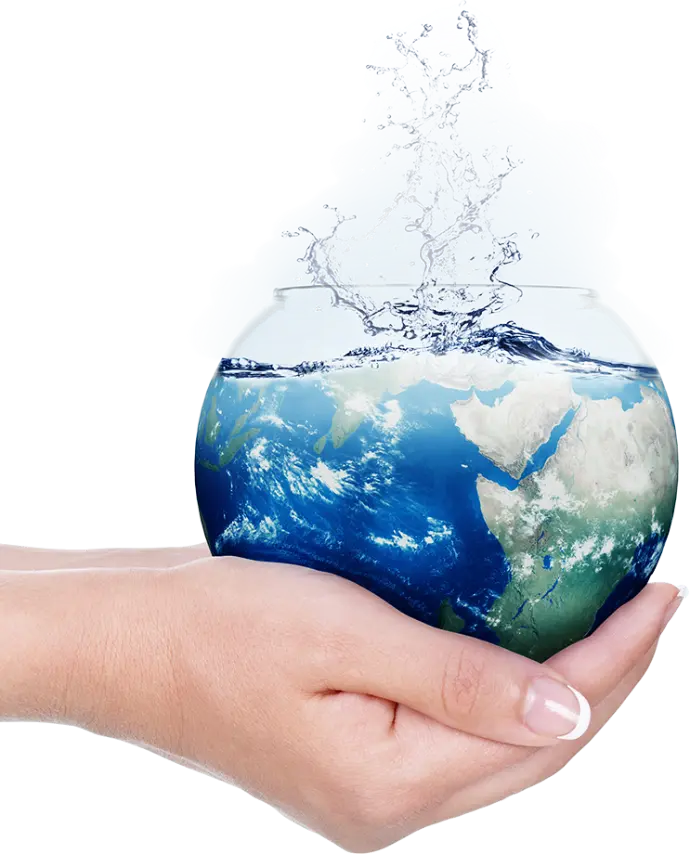
Despite covering 70% of the Earth, only a small fraction is fresh and accessible for human use.
 With growing pressures on supply, ensuring water sustainability has never been more critical.

Pollution & degradation

Industrial discharge, agricultural runoff, and untreated sewage contaminate rivers, lakes, and oceans.
Pollution not only threatens human health but also destroys aquatic ecosystems.
Protecting and restoring water sources ensures they remain safe for people and nature.

Economic stability

Water is vital for agriculture, energy, and industry.
Shortages can disrupt supply chains, raise costs, and threaten livelihoods. Sustainable practices reduce risks, attract investment, and support long-term economic growth.

Climate change

Climate change is altering rainfall patterns, causing more frequent droughts, floods, and storms.
These extreme events disrupt water availability, reduce quality, and make future supplies less predictable.
Sustainable water management helps communities adapt and build resilience against these impacts.

Population growth

The global population is expected to surpass 9 billion by 2050.
This rapid growth drives demand for clean drinking water, sanitation, and food production.
Without sustainable practices, freshwater sources may not be able to keep up.