المدن المستدامة: بناء مستقبل أكثر خضرة
المدينة المستدامة هي مدينة مخططة ومدارة لتحقيق التوازن بين الاحتياجات الاجتماعية والاقتصادية والبيئية، وخلق جودة حياة عالية لسكانها الآن وفي المستقبل.
الهدف هو تقليل البصمة البيئية للمدينة من خلال استخدام الموارد بكفاءة، وتقليل النفايات، وخلق بيئة صحية ومرنة.
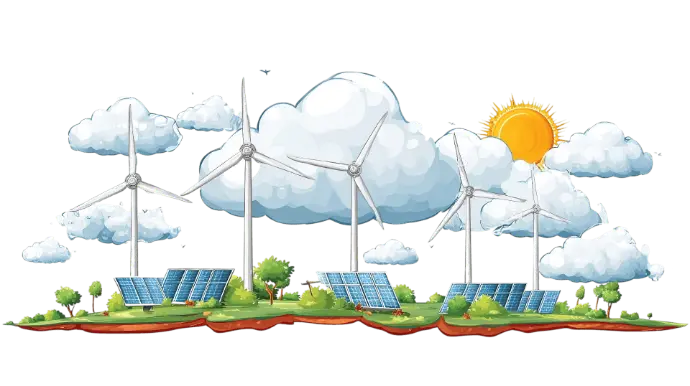
المبادئ الأساسية للمدن المستدامة
تبنى المدن المستدامة على مبادئ متكاملة تخلق بيئة حضرية متوازنة.
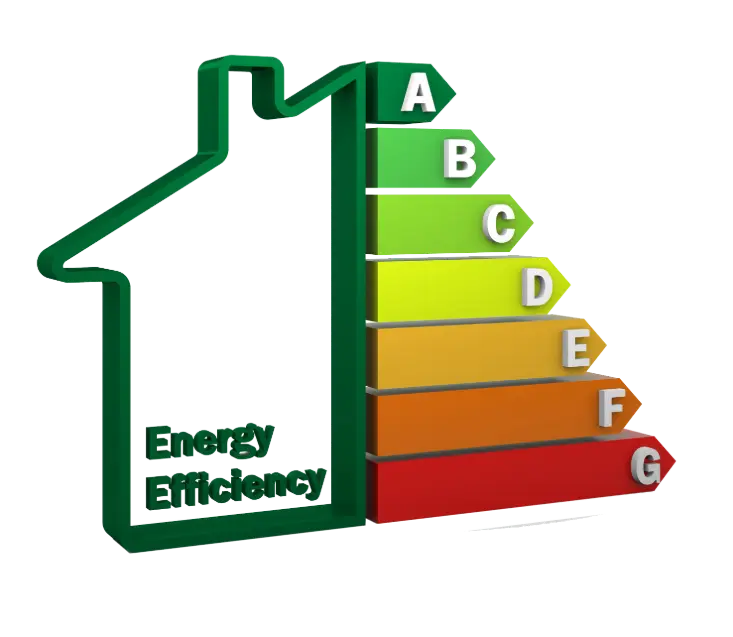
النقل المستدام
تقلل هذه المدن من الازدحام والانبعاثات من خلال تعزيز المشي وركوب الدراجات وأنظمة النقل العام الفعّالة.
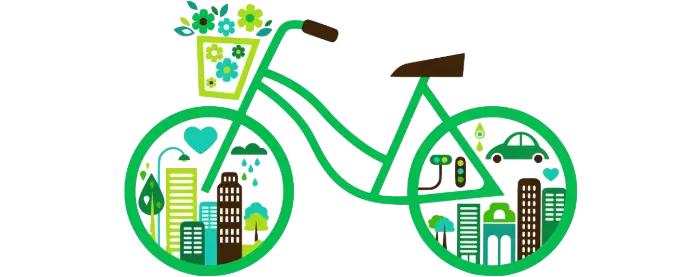
الطاقة المتجددة وكفاءة الطاقة
تولي هذه المدن الأولوية لمصادر الطاقة النظيفة مثل الطاقة الشمسية وطاقة الرياح، مع ضمان المباني والبنية التحتية ذات الكفاءة الطاقية العالية.
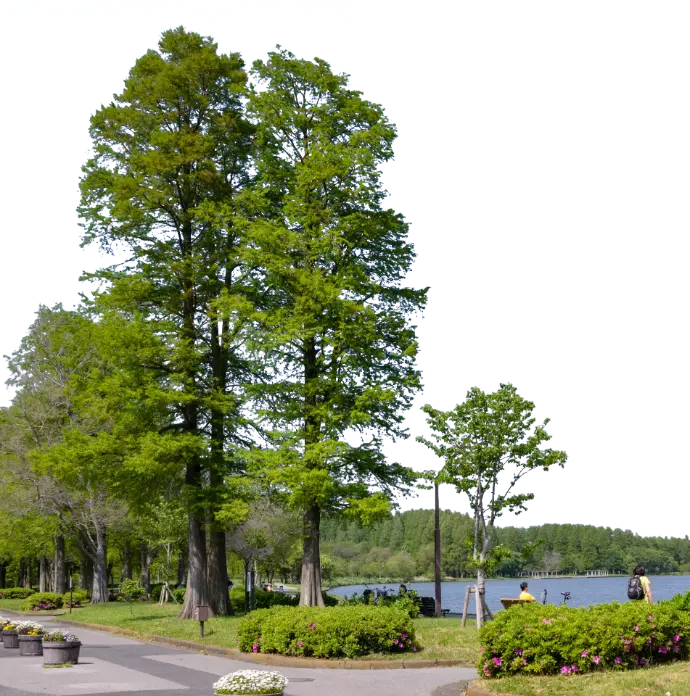

المساحات والبنية التحتية الخضراء
تعمل الحدائق الحضرية والأسطح الخضراء والمتنزهات على تحسين جودة الهواء، وإدارة مياه الأمطار، وتوفير مساحات طبيعية للراحة.
المجتمع والعدالة الاجتماعية
تضمن هذه المدن توفر السكن الميسور وفرص العمل والوصول المتساوي للخدمات، مما يعزز الشمولية.
الفوائد البيئية
تساهم الانبعاثات الكربونية المنخفضة وتقليل التلوث وحماية النظم البيئية في مكافحة تغير المناخ.

الفوائد الاجتماعية
تحسّن جودة الهواء، وتزيد المساحات الخضراء، وتوفر خدمات أفضل، مما يعزز الصحة الجسدية والعقلية.
فوائد المدن المستدامة
توفر الممارسات المستدامة فوائد بيئية واقتصادية واجتماعية.

الفوائد الاقتصادية
توفّر التقنيات الخضراء فرص عمل، وتعزز الاقتصاد، وتوفّر التكاليف من خلال استخدام الموارد بكفاءة.
أمثلة على المدن المستدامة
كوبنهاغن، الدنمارك
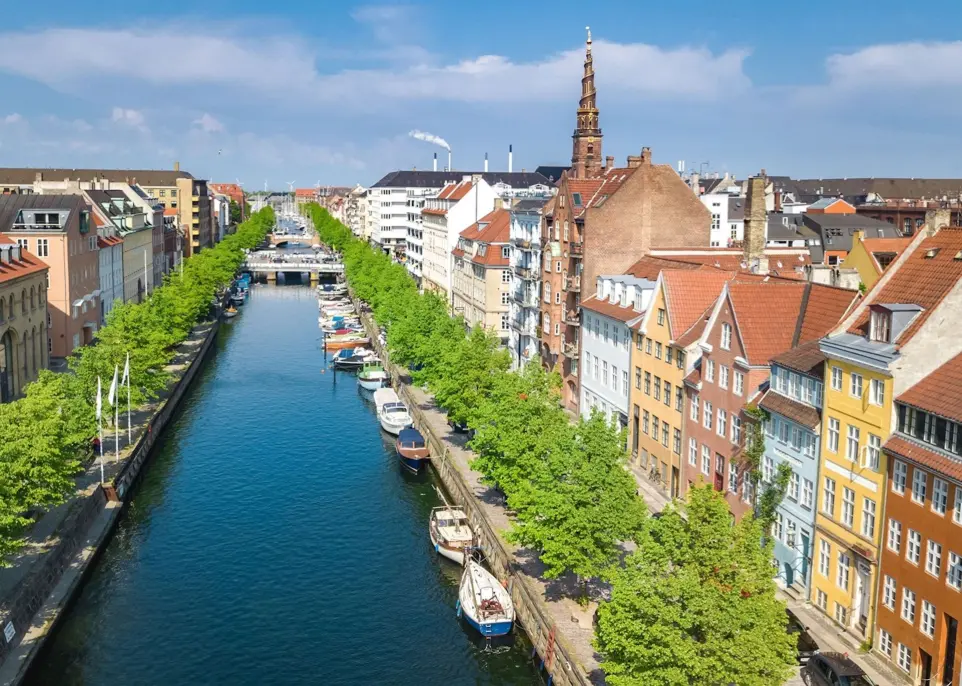
معروفة ببنيتها التحتية الملائمة للدراجات وهدفها أن تصبح أول عاصمة حيادية الكربون.
أوسلو، النرويج
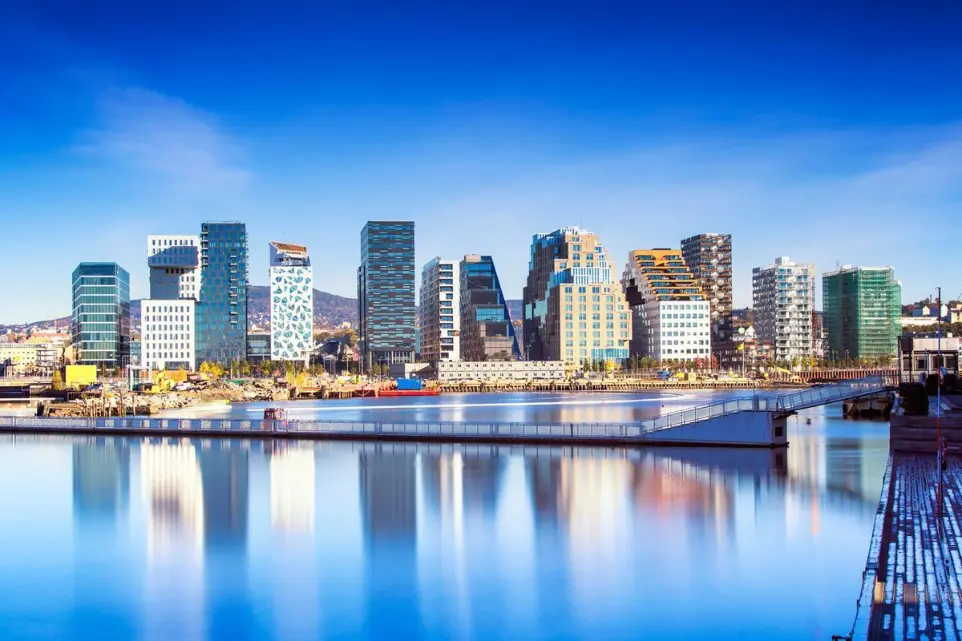
تسعى المدينة إلى خفض انبعاثات الغازات الدفيئة بنسبة 95% بحلول عام 2030 من خلال السيارات الكهربائية والسياسات الخضراء..
مدينة الحديقة، سنغافورة

تجعل الحدائق الرأسية المتكاملة والمزارع على الأسطح والمسارات الخضراء من سنغافورة نموذجًا عالميًا للاستدامة.
نيوم، المملكة العربية السعودية
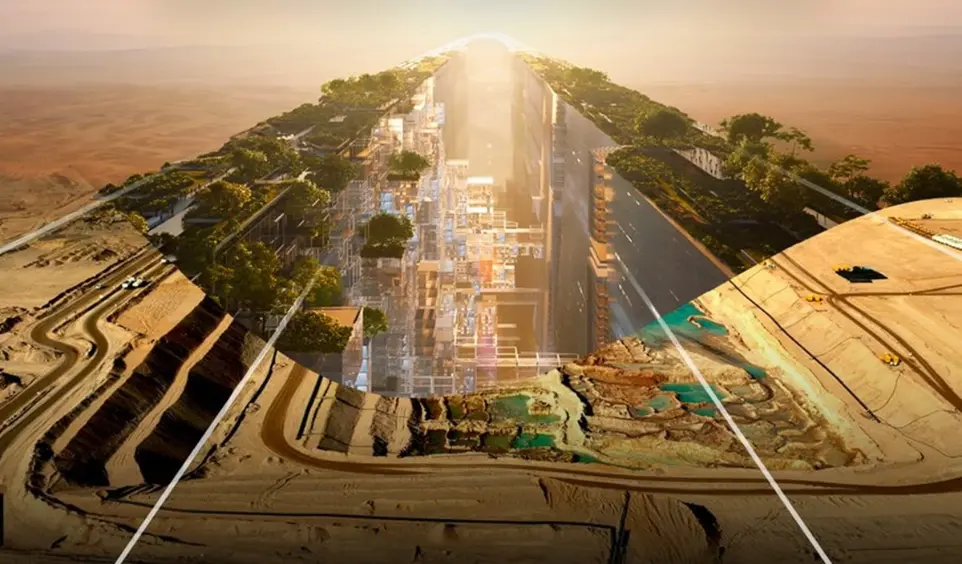
مدينة سعودية مستقبلية ضخمة تعتمد على الطاقة المتجددة، وبنية تحتية ذكية، ومشاريع للعيش الحضري المستدام.