التغير المناخي والحياد الكربوني
تعرّف على التغير المناخي، والحياد الكربوني، والطاقة المتجددة، وفرص ليبيا في التنمية الخضراء المستدامة.
ما هو الحياد الكربوني؟
التعريف والأهمية
الحياد الكربوني يعني موازنة الانبعاثات بحلول نظيفة. إنه وعد للأجيال القادمة.
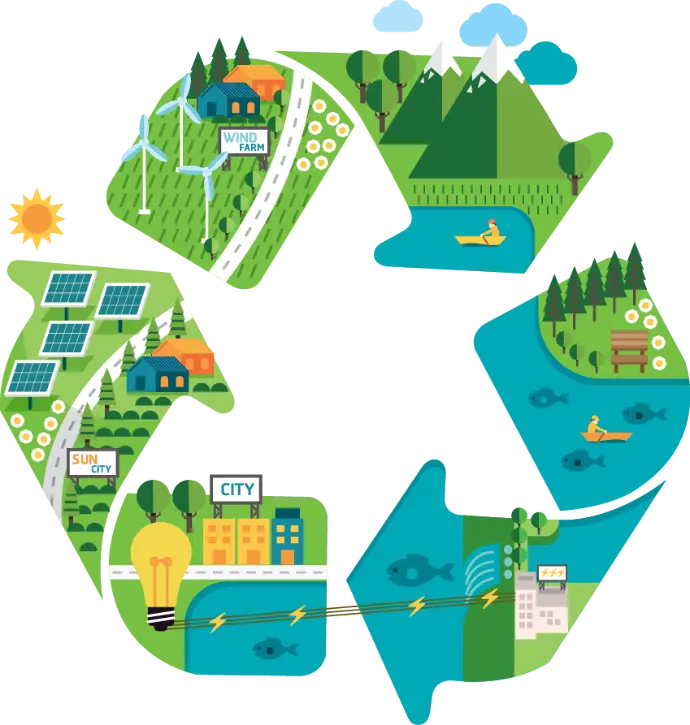
تعويض الكربون واستراتيجيات الخفض
من زراعة الأشجار إلى الطاقة المتجددة، يُعد التعويض والحد من الانبعاثات أدوات أساسية من أجل غدٍ أكثر خضرة.
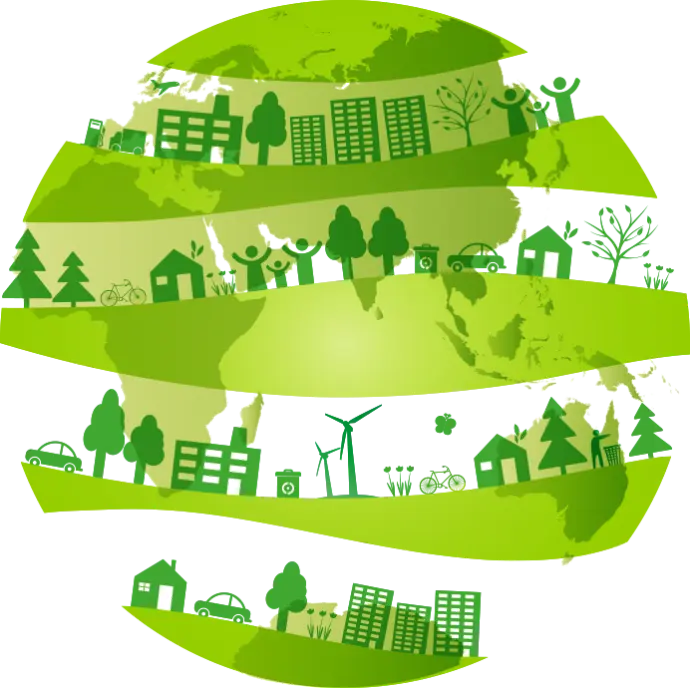
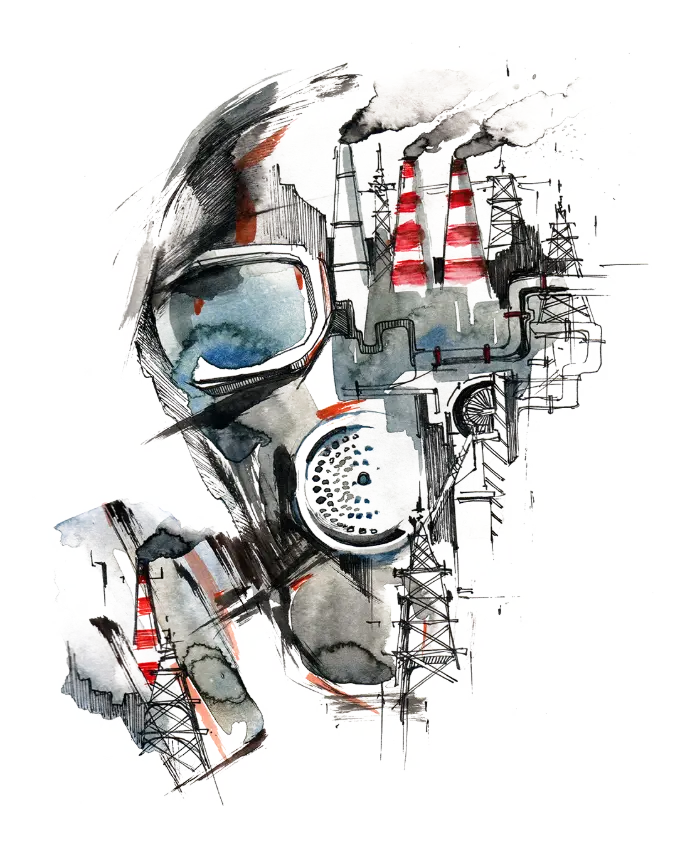
التأثيرات على النظم البيئية وحياة الإنسان
يهدد التغير المناخي الغذاء والمياه والصحة، وتواجه المجتمعات في جميع أنحاء العالم مخاطر جسيمة.
أسباب التغير المناخي

أهداف اتفاق باريس
يحدد الاتفاق أهدافًا عالمية للحفاظ على ارتفاع الحرارة دون 2°م، والسعي لتحقيق 1.5°م.
تعهدات الحياد الصفري من الدول والشركات
أكثر من 130 دولة وكبرى الشركات تعهّدوا بالوصول إلى صافي انبعاثات صفري، مما يسهم في رسم ملامح السياسات المناخية العالمية.
الجهود و الالتزامات
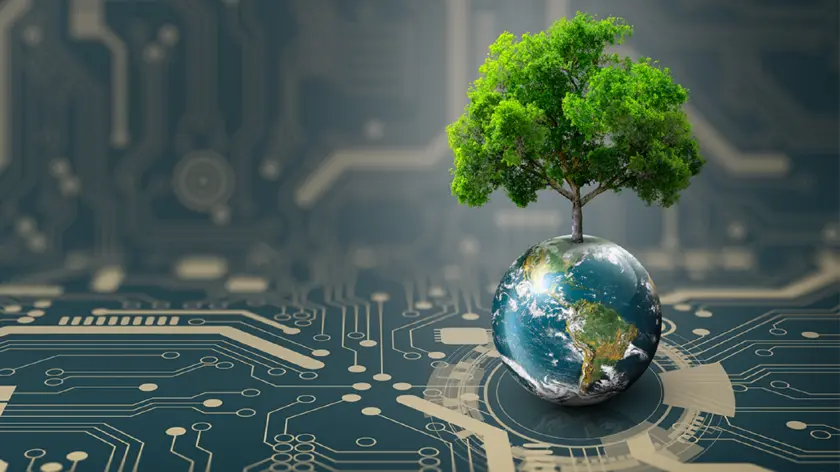
الابتكارات التكنولوجية التي تقود التغيير
تُسهم الابتكارات في تسريع خفض الانبعاثات ودعم دمج الطاقة المتجددة على نطاق واسع.
سبل تحقيق الحياد الكربوني
التحوّل نحو الطاقة المتجددة
الطاقة الشمسية والرياح والطاقة النظيفة تمثل مستقبل الطاقة المستدامة لكوكبنا.
Energy efficiency in industry
Sustainable agriculture
الزراعة الخضراء تحمي الأراضي وتغذي مستقبلنا بطريقة مستدامة.
احتجاز الكربون وتخزينه
CCS technologies remove CO₂ from air or industry.
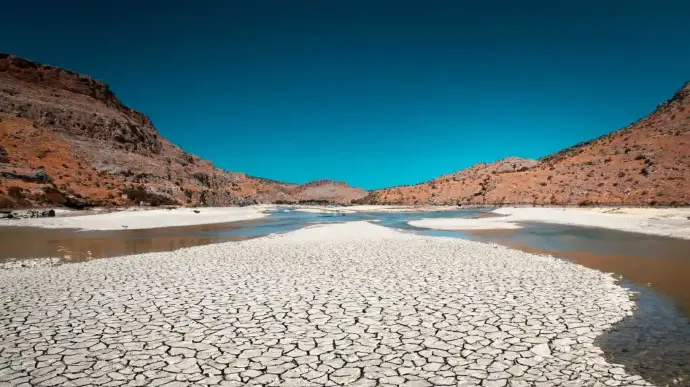
مواطن الضعف أمام التغير المناخي (التصحر ونقص المياه)
Vulnerabilities to climate change
تشمل مخاطر المناخ تقدم التصحر، ندرة المياه، والاعتماد على الوقود الأحفوري، مما يحتم علينا اتخاذ إجراءات عاجلة لحماية مستقبلنا.
فرص الطاقة الشمسية والتنمية الخضراء
الإمكانات العالية للطاقة الشمسية تتيح التنويع، وتعزز أمن الطاقة، وتساهم في تقليل الانبعاثات لبناء مستقبل أخضر.
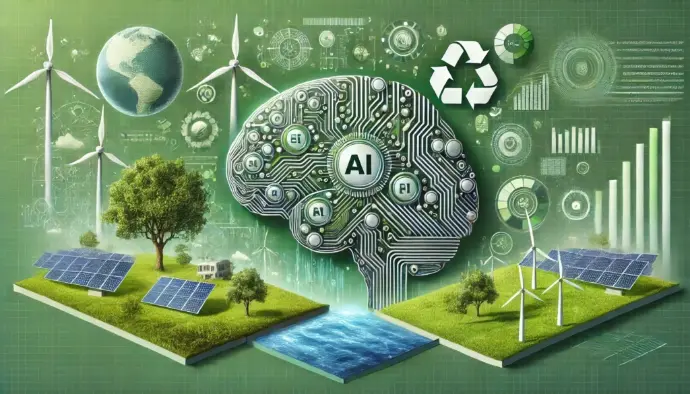
السياسات وآفاق المستقبل
السياسات الاستراتيجية والبنية التحتية الخضراء ضرورية للتكيف مع التغير المناخي وتحقيق النمو المستدام.